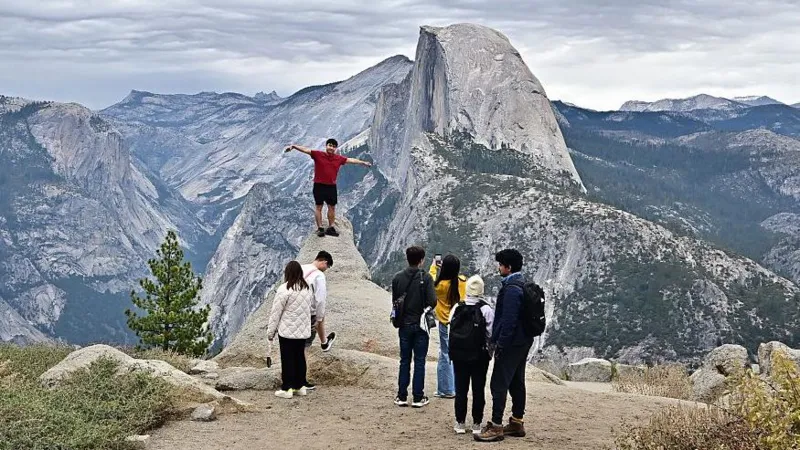
Visitors from abroad planning trips to iconic United States national parks such as Yosemite and the Grand Canyon will now face additional charges, according to the Department of the Interior. International travelers will be required to pay an extra $100 per person on top of the existing entrance fees for 11 of the country’s most popular sites.
From the beginning of 2026, non-resident visitors who wish to purchase an annual pass for the parks will need to pay more than $250, whereas U.S. citizens and permanent residents will continue to enjoy the standard $80 rate. The administration described this adjustment as a measure to prioritize American families and make parks more accessible to domestic visitors.
Secretary of the Interior Doug Burgum emphasized that U.S. taxpayers, who already support the National Park System, will benefit from affordable access while international tourists contribute to maintenance and conservation efforts. He explained that the new revenue will help preserve the parks for future generations while improving facilities and visitor experience.
The fee changes coincide with the introduction of an upgraded online booking system designed to streamline reservations, as well as improved access for motorcyclists throughout the parks. In addition, the department announced eight special days in 2026 when residents can visit selected parks without paying fees, including Memorial Day, Independence Day, and Veteran’s Day.
This policy follows an executive order issued in July by the U.S. president, which called for increased fees for international visitors. The extra funds are expected to support ongoing conservation projects, infrastructure maintenance, and park services, even as federal budgets for the Park Service face reductions.
National parks in the United States have seen record numbers of visitors in recent years, with more than 331 million people exploring them in 2024, an increase of at least six million compared to the previous year. Some of the most visited sites include the Everglades in Florida, Yosemite in California, and the Rocky Mountains in Colorado, all drawing millions of tourists annually.
Officials noted that the policy aims to strike a balance between preserving natural resources and ensuring that domestic visitors continue to enjoy affordable experiences, while international travelers contribute proportionally to upkeep. Analysts suggest that this approach may influence global tourism patterns as well as how international visitors plan their trips to the U.S.