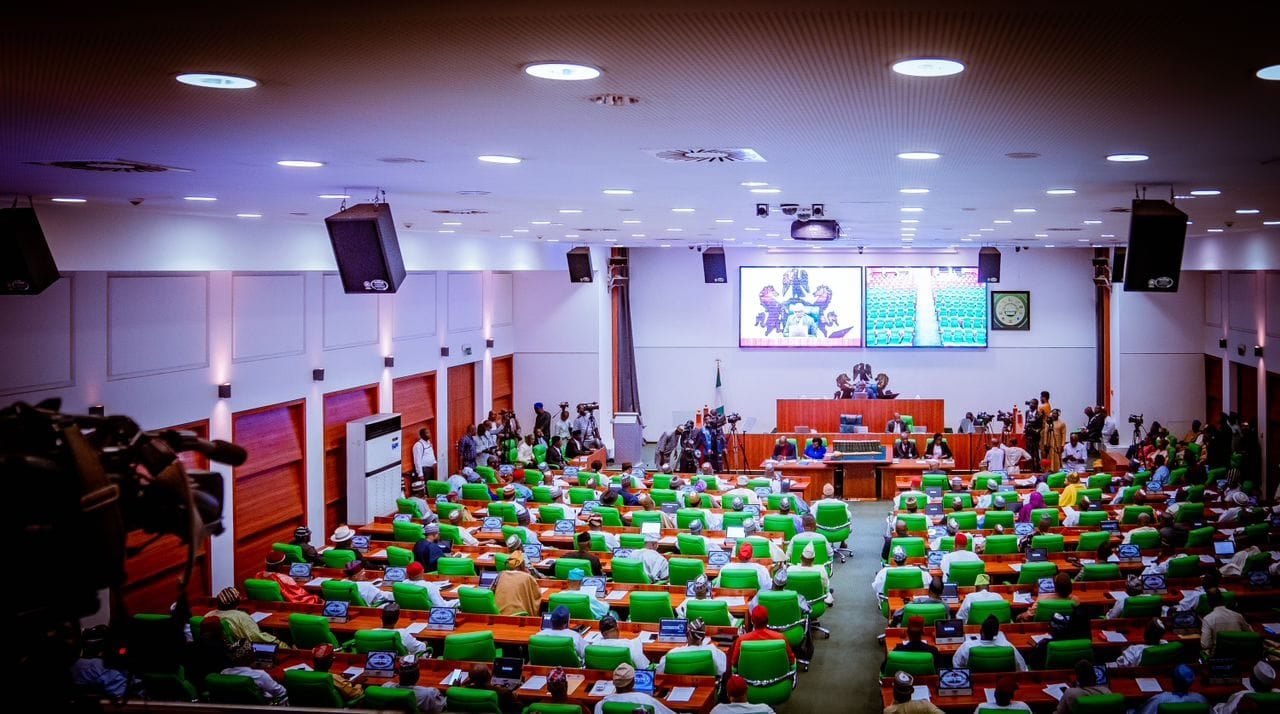
Public outrage intensified in the National Assembly on Wednesday as members of the House of Representatives faulted the Federal Government’s decision to open communication channels with armed groups responsible for repeated kidnappings across the country. Their criticism came after news broke that 24 abducted students from Government Girls Comprehensive Secondary School, Maga, in Kebbi State, were freed through negotiated arrangements.
Dissatisfaction grew stronger among lawmakers after President Bola Tinubu’s media aide, Bayo Onanuga, confirmed the government’s involvement in the discussions. For many representatives, this revelation signaled what they described as a complete disregard for the duty to confront criminal threats with firm action.
During a special plenary session held a day earlier, lawmakers lamented that Nigerians continue to live in fear, with kidnappers moving boldly in several states. The lawmakers argued that the nation’s security architecture appeared weakened, allowing criminal networks to operate with disturbing confidence.
In reaction to the rising concerns, members of the coalition known as “House to the Rescue” released a joint statement denouncing the Federal Government’s approach. They warned that engaging kidnappers in negotiations only emboldens such groups and encourages them to expand their operations.
According to the coalition, any government that chooses dialogue over decisive force inadvertently rewards violence. Members stressed that citizens expecting protection have instead witnessed a troubling pattern of back-channel deals with criminals who abduct children, menace communities, and destabilise the authority of the state.
International experiences were also cited as evidence, as the lawmakers pointed to multiple countries where concessions to violent groups backfired. They referenced Colombia, where talks with the Revolutionary Armed Forces reportedly increased kidnappings and strengthened the group’s influence.
Other global examples were highlighted, including Mexico, where unofficial contacts with cartels worsened security conditions; Afghanistan, where prisoner exchanges aided the Taliban’s resurgence; Somalia, where interactions with warlords deepened conflict; and Mali, where deals with armed groups opened pathways for violence to spread across borders.
Further criticism centered on the belief that dialogue with non-state militants undermines public trust in security institutions. Lawmakers insisted that such practices create a harmful model in which abductors kidnap citizens while waiting for government negotiators instead of law enforcement pressure.
As the debate intensified, the House demanded an immediate halt to any discussions with bandits. Members also called for intelligence-driven rescue operations, the publication of a clear national security blueprint, and full legislative oversight of officials involved in unauthorised talks.
The statement was endorsed by representatives drawn from all six geopolitical zones: Muhammed Soba, Zakari Mohammed, Olasupo Abiodun, Sadiq Ibrahim, Uko Nkole, and Bassey Ewa. They warned that ignoring these concerns could further escalate insecurity across the nation.