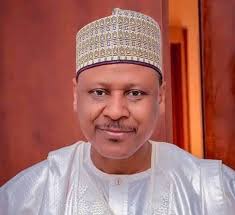
Dr. Rodrigue Nouaga, the Director of Aquatic Food Biosciences at WorldFish, has recommended that the government prioritize the promotion of sustainable local fish farming. He highlighted that such initiatives would play a significant role in enhancing food security and fostering economic development.
In a statement released on Friday, Nouaga emphasized the importance of collaboration between the Nigerian government and global aquaculture organizations like WorldFish. This partnership, he suggested, could expedite activities that would ultimately benefit local fish farmers.
He said, “Beyond aquaculture, governments can also facilitate better management of fisheries that have been neglected so far. This will enhance international cooperation and partnerships, as sustainable fisheries management is often a shared goal among countries and international organisations.
“It will ultimately connect local fish farmers with international markets and partners for knowledge exchange, technology transfer, and joint ventures.
“By working together with a global aquaculture organization such as WorldFish, the governments in our countries of operations can significantly improve the lives and livelihoods of local fish farmers, contributing to food security, economic development, and overall sustainability.”
Nouaga also disclosed that WorldFish is managing the project titled ‘Development and Scaling of Sustainable Feeds for Resilient Aquatic Food Systems in Sub-Saharan Africa.’
He added, “Its goal is to develop low-cost, highly nutritious fish feeds based on novel ingredients and enable 5,000 smallholder fish farmers in three African countries – including Nigeria – to test and adopt these ingredients and feeds, leading to increased income, improved food security, and reduced waste and pollution.
“The WorldFish, through FASA, organises training programmes and workshops, through which it provides training on best aquaculture practices, including pond management, disease control, selective breeding, and sustainable feed production.”