The Nigerian Supreme Council for Islamic Affairs (NSCIA) has urged Muslims who develop symptoms suggestive of Ebola Virus Disease (EVD) to avoid congregational prayers pending medical assessment, as it called for calm and vigilance following the confirmation of a case in the Federal Capital Territory (FCT).
The Council also called on chief imams, Islamic scholars, state councils for Islamic affairs and Muslim organisations to intensify public awareness of the disease through Friday sermons, religious gatherings and community engagements.
In a public health advisory signed by its Secretary-General, Prof. Is-haq Oloyede on Wednesday, the NSCIA said religious leaders had an important role to play in preventing the spread of the disease through accurate information and responsible community engagement.
The advisory followed the announcement by the Minister of Health and Social Welfare, Prof. Muhammad Ali Pate, on Tuesday, that a case of Ebola had been laboratory-confirmed in the FCT.
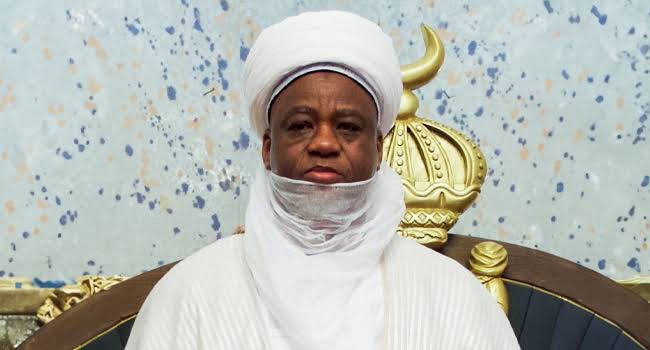
The Council, under the leadership of the Sultan of Sokoto, Alhaji Muhammad Sa’ad Abubakar, commended the Federal Government, the Federal Ministry of Health and Social Welfare, and the Nigeria Centre for Disease Control and Prevention (NCDC) for their efforts to contain the outbreak.
It, however, urged federal and state governments to strengthen disease surveillance, contact tracing, public enlightenment and the preparedness of healthcare facilities, while ensuring adequate protection for health workers.
The NSCIA advised Nigerians to practise regular handwashing, avoid direct contact with suspected cases and their bodily fluids, and promptly report suspected infections to the appropriate health authorities through the NCDC toll-free number, 6232.
It also urged people who develop symptoms after possible exposure to avoid close contact with others and seek immediate medical guidance.
Explaining the religious basis for its advisory, the Council said the preservation of life, known as Hifz al-Nafs, was one of the fundamental objectives of Islamic law.
It cited Qur’an 2:195, which states, “And do not throw yourselves with your own hands into destruction,” adding that Islamic teachings also emphasised precaution in the face of infectious diseases.
The Council further urged the public to cooperate with health authorities on contact tracing, avoid spreading unverified information and refrain from stigmatising affected individuals and their families.
It said the Bundibugyo strain associated with the current outbreak had no known approved vaccine or specific curative treatment, although early medical intervention and supportive care could significantly improve survival.
The advisory listed possible symptoms as fever, severe headache, weakness, muscle pain, vomiting, diarrhoea and, in some cases, unexplained bleeding. Symptoms may develop between two and 21 days after exposure.
The NSCIA assured the Federal Government of its readiness to mobilise its nationwide network of mosques, Islamic organisations and community leaders to support disease prevention and public health education.
It called on Nigerians to remain calm and act responsibly, stressing that faith, prayer and appropriate medical care were complementary rather than contradictory.