Former Peoples Democratic Party (PDP) presidential aspirant, Ada Kate Uchegbu, has welcomed the decision by the African Democratic Congress (ADC) presidential candidate, Alhaji Atiku Abubakar, to make the restoration of fuel subsidy a key component of his 2027 campaign agenda, describing the move as a validation of a position she publicly championed months ago.
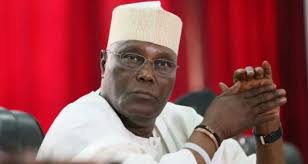
Atiku, a former Vice President, recently indicated that restoring petrol subsidy would form part of his economic policy proposals ahead of the 2027 presidential election.
Reacting to the development, Uchegbu said she was encouraged that an issue she had consistently advocated was now gaining broader political attention. She recalled that in May 2026, she publicly pledged to restore fuel subsidy if elected president, citing the severe economic hardship caused by rising fuel prices.
According to the journalist and author, her position was informed by the growing burden on ordinary Nigerians, particularly low-income earners, small business owners and vulnerable households struggling with the rising cost of living.
“My promise to restore fuel subsidy was made and published months before Atiku adopted the same position as part of his 2027 campaign agenda. I am pleased that the issue is now receiving renewed political attention,” she said.
Uchegbu, however, stressed that her advocacy was not for an unchecked subsidy regime but for a transparent and accountable system that cushions citizens from the harsh effects of soaring fuel costs while safeguarding public resources.
She argued that fuel prices have a far-reaching impact on the economy, influencing transportation costs, food distribution, manufacturing expenses and the prices of goods and services across the country.
“Given Nigeria’s heavy reliance on road transportation, increases in fuel prices inevitably translate into higher living costs for millions of citizens. These realities informed my decision to make subsidy restoration part of my policy platform,” she stated.
While acknowledging concerns about corruption and inefficiencies that previously plagued subsidy administration, Uchegbu maintained that eliminating the subsidy without adequate social protection measures shifts the economic burden directly onto ordinary Nigerians.
“The issue is not whether government should spend money recklessly. The real question is whether government can create a transparent, sustainable framework that protects citizens from unbearable economic hardship,” she said.
She further called for strict monitoring mechanisms to prevent leakages and abuse should the subsidy be restored, insisting that public accountability must remain central to any such programme.
According to her, the success of economic policies should ultimately be measured by their impact on the welfare of citizens.
“If Nigerians cannot afford transportation, food and other basic necessities, then government must be willing to listen and reassess its policies. Economic reforms must have a human face,” she added.
Uchegbu also welcomed the growing debate over fuel subsidy ahead of the 2027 election, noting that it offers voters an opportunity to evaluate and compare the economic visions of the various presidential contenders.
She emphasised that the conversation should transcend political rivalry and focus on what best serves the interests of Nigerians.
“It is not about who made the proposal first. What matters is whether the policy will improve the lives of Nigerians,” she said.
Reaffirming her position, Uchegbu said her 2026 pledge remains part of a broader economic agenda centred on affordability, job creation, food security, accessible transportation and improved living standards.
With political parties intensifying preparations for the 2027 general election, the future of fuel subsidy is expected to remain one of the most debated and closely watched economic issues among Nigerian voters.