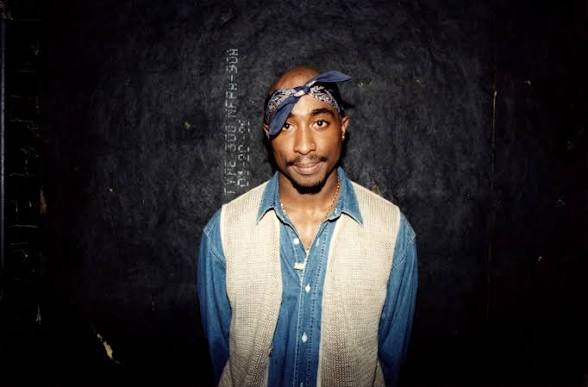
A jury in Las Vegas has convicted Duane “Keffe D” Davis of first-degree murder for his role in the 1996 drive-by shooting that killed American rapper Tupac Shakur, bringing a legal breakthrough to one of hip-hop’s most enduring unsolved cases.
The verdict was delivered on August 31, 2026, after jurors deliberated for less than three hours, marking the first conviction linked to the killing that shocked the music industry nearly three decades ago.
Davis, 63, a former gang leader, showed no visible reaction as the court read the verdict. He is widely regarded as the last living person known to have been inside the vehicle from which the fatal shots were fired on the Las Vegas Strip.
Prosecutors built their case largely on Davis’s own public statements over the years, including details contained in his 2019 memoir, media interviews and recorded conversations with law enforcement officials.
In those accounts, Davis identified himself as a “shot caller” and admitted he supplied the firearm used in the attack, which he said was carried out in retaliation for a prior altercation involving his nephew.
The defence team challenged the credibility of those admissions, arguing that Davis had exaggerated events for financial gain and public attention.
His lawyers also pointed to gaps in the original investigation, including missing records and the absence of direct physical evidence linking him to the crime.
However, the jury rejected those arguments and returned a guilty verdict, effectively closing a case that had remained unresolved since Shakur was shot in September 1996 after attending a boxing match in Las Vegas. The rapper died six days later at the age of 25.
Shakur, widely known by his stage name 2Pac, remains one of the most influential figures in hip-hop, with his music addressing issues such as inequality, violence and social justice.
His killing, along with that of fellow rapper The Notorious B.I.G. in 1997, fuelled long-standing tensions within the rap industry and sparked multiple investigations that failed to produce charges for decades.
The conviction of Davis represents a significant moment for law enforcement authorities who have faced criticism over the handling of the case. It also provides a measure of closure for fans and observers who have followed the story for years.
Legal analysts say the case underscores the growing role of self-incriminating statements in criminal prosecutions, particularly when supported by corroborating evidence, even in the absence of new forensic findings.
Sentencing is expected at a later date.