African teams have continued their impressive showing at the 2026 FIFA World Cup, with a record nine countries advancing to the Round of 32 in what has become the continent’s best-ever performance at the global football showpiece.
For the first time in World Cup history, 10 African nations qualified for the tournament after FIFA expanded the competition to 48 teams. While the continent was allocated nine automatic slots, the Democratic Republic of Congo secured an additional place through the intercontinental play-offs.
Only Tunisia failed to progress beyond the group stage, as the remaining nine teams booked places in the knockout rounds to set a new benchmark for African football at the World Cup.
Sports analyst and News Central reporter, Ope Adebari, described the performances of the African teams as encouraging, saying they had demonstrated quality, resilience and tactical discipline throughout the group phase.
“I am impressed with what I have seen so far. Apart from Tunisia, the African teams have played really well. You can see the grit, passion, quality and tactical awareness in their performances,” Adebari said.
“They deserved to qualify for the World Cup and they have justified their presence.”
Morocco have once again emerged as Africa’s leading contenders after continuing the impressive form that saw them reach the semi-finals of the 2022 World Cup in Qatar. The Atlas Lions will face the Netherlands in one of the headline fixtures of the Round of 32.
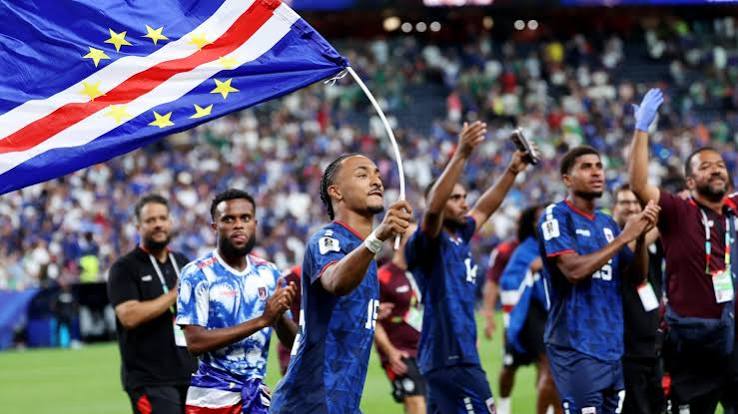
Elsewhere, DR Congo will battle England, Ghana take on Colombia, South Africa face Canada, Cape Verde have a daunting clash against defending champions Argentina, while Senegal will square up against Belgium.
Côte d’Ivoire have been drawn against Norway, with Egypt set to meet Australia as Africa’s representatives seek to extend their remarkable run in the tournament.
According to Adebari, Morocco, Côte d’Ivoire and Algeria possess the quality to make deep runs in the competition.
The historic performances have also reignited conversations over Africa’s representation at future World Cups, with many stakeholders advocating for more qualification slots for the continent.
Adebari believes the current tournament has strengthened that argument.
“Some people may feel it is too early to call for more African places at the 2030 World Cup, but judging by what we have seen so far, I believe giving Africa more slots will improve the level of competition.
“By the end of this tournament, I am confident even more people will support that position,” he said.
With nine teams still in contention, Africa has already surpassed its previous best World Cup performance and will now be aiming to produce the continent’s first-ever world champions.