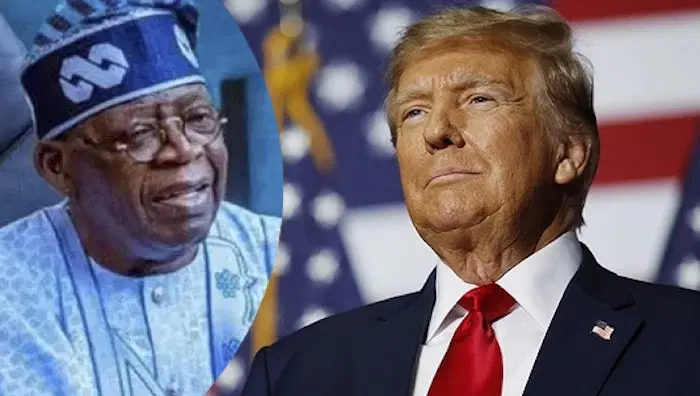
Concerns over national security have been mounting as Prince Adewole Adebayo, leader of the Social Democratic Party and former presidential candidate, criticised President Bola Tinubu’s approach, suggesting international scrutiny often drives reactive measures rather than proactive governance.
Speaking on recent developments, Adebayo argued that Nigerians are increasingly burdened not only by economic challenges but also by the persistent threat of kidnappings and violent crimes. He noted that attention to these crises seems to spike only when global figures draw notice, citing a recent tweet by former US President Donald Trump as an example.
While praising the skill and intelligence present within Nigeria’s security agencies, Adebayo questioned whether their full potential is being harnessed due to inconsistent leadership. He emphasised that strategic direction, rather than sporadic attention, is necessary to protect citizens and curb criminal networks effectively.
The SDP leader highlighted the seeming disconnect between high-profile international operations and domestic insecurity. “This government can execute arrests abroad, yet groups continue to operate freely in Nigerian forests,” he observed, citing the arrest of Nnamdi Kanu overseas as an example.
Adebayo also expressed concern about federal appointments, claiming that some may unintentionally undermine the government’s security objectives. He stressed the importance of placing capable, accountable individuals in key positions, particularly those linked to defence and intelligence.
On the presidential order for security agencies to cordon off forested regions in affected states, he remarked that such directives are often issued too late and sometimes publicly, allowing criminal elements to adapt quickly. The SDP leader urged more discreet, timely, and decisive measures.
Referencing historical cases like that of Lawrence Anini, Adebayo emphasised that clear and firm directives from leadership can yield rapid and tangible results in tackling crime. He called for direct presidential oversight to hold law enforcement accountable and ensure kidnappers are swiftly confronted.
The discussion also touched on Nigeria’s diplomatic representation. Adebayo criticised the lack of ambassadors in key countries, including the US, UK, France, and China, pointing out that such gaps could hinder international cooperation on security matters. He argued that ambassadorial roles should be merit-based, reflecting Nigeria’s foreign policy priorities rather than political patronage.
In conclusion, Adebayo urged the Tinubu administration to maintain consistent governance, not only responding to external pressures but actively safeguarding citizens from rising insecurity. He warned that only through continuous and committed leadership could the safety of Nigerians, particularly children vulnerable to kidnappings, be ensured.