The Federal Government has issued a strong call for proactive investment in disaster preparedness, urging stakeholders to stop focusing only on emergency responses and start funding systems that can prevent disasters before they happen.
This message was delivered during the 2025 International Day for Disaster Risk Reduction, held in Abuja under the theme “Fund Resilience, Not Disaster.” The event also marked the unveiling of two key frameworks: the National Emergency Management Agency (NEMA) Strategic Plan for 2025–2029 and the National Disaster Risk Reduction Strategy (2025–2030).
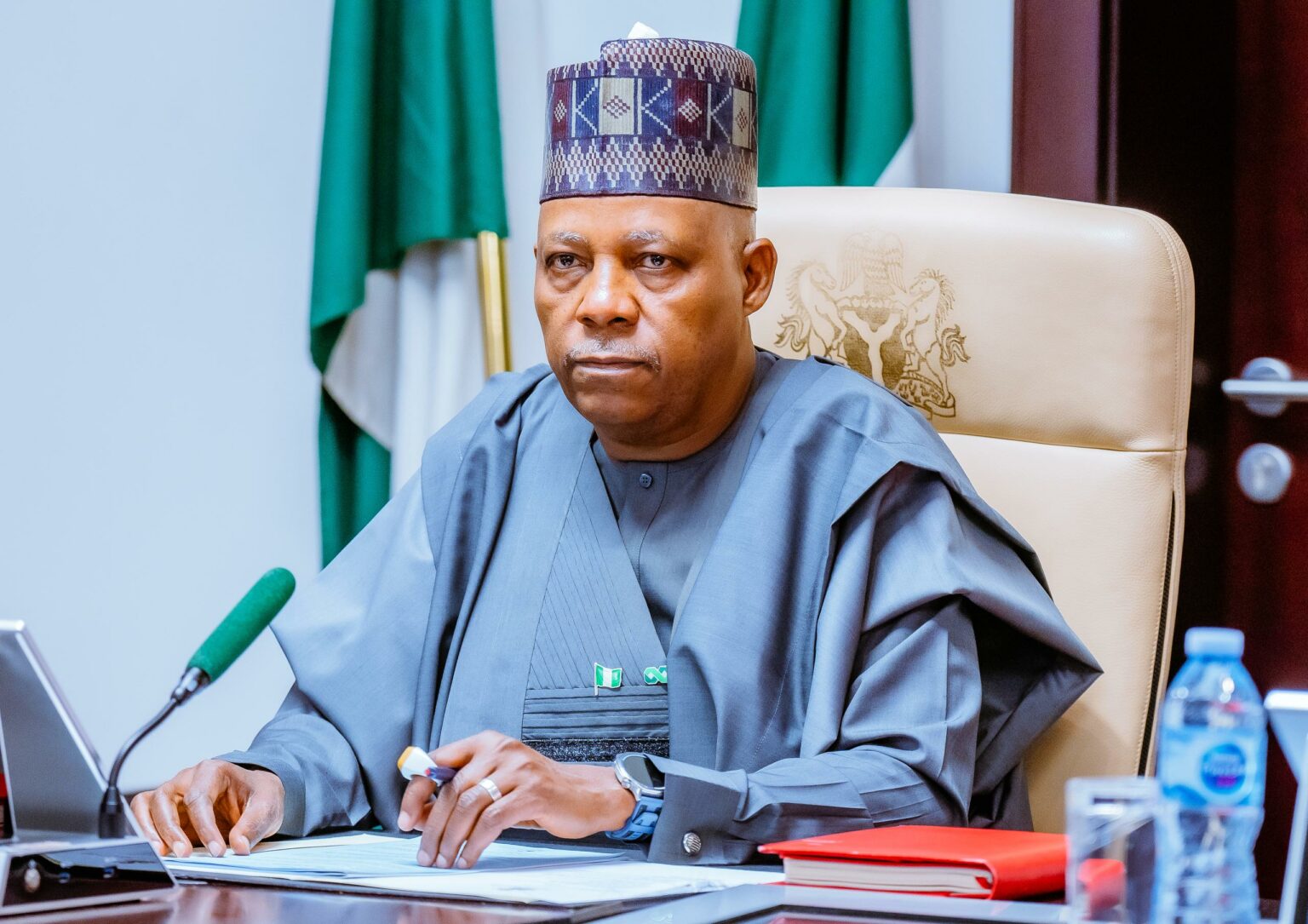
Vice President Kashim Shettima, who spoke at the event, stressed the importance of anticipating crises instead of always reacting to them. “Every naira spent today on preparedness saves many more tomorrow on recovery,” he said. “It’s wiser and more humane to prevent disasters than to rebuild after destruction.”
Citing recent floods, erosion, and fires that have displaced thousands and destroyed infrastructure, Shettima emphasised the need for a clear shift in national priorities. “These tragedies aren’t happening somewhere far away—they’re affecting our communities, our families, our economy. If we don’t invest in resilience, we’ll keep wasting resources cleaning up instead of building lasting solutions,” he said.
The Vice President outlined plans to integrate disaster risk management into key sectors like agriculture, education, health, and infrastructure. He also announced the development of a National Disaster Risk Financing Framework, which aims to make funds available for prevention and preparedness, not just emergency relief.
Key to this shift is strengthening state and local emergency agencies, expanding early warning systems, and forming strong partnerships with the private sector, development organisations, and research institutions.
“Resilience must be built before the sirens go off,” Shettima said. “It means better drainage systems, stronger schools, climate-smart farming tools, and first responders who are trained and ready—before disaster strikes.”
The Director-General of NEMA, Mrs. Zubaida Umar, echoed these points, stressing that Nigeria needs to move from a reactive mindset to a well-financed and cross-sectoral disaster management system.
She revealed that NEMA is developing a National Risk Monitoring and Information Platform, which will provide early warnings, map vulnerabilities, and help make smarter investment decisions across sectors.
Umar also highlighted the urgent need to explore new financing models—like catastrophe bonds, insurance pools, climate funds, and blended financing—to sustain these efforts long term.
Governor Dauda Lawal of Zamfara State also weighed in, saying that disaster funding should be treated as an economic necessity, not just a humanitarian response. “Preparedness and resilience must be funded deliberately if we are to protect lives and build peace,” he said.
The key takeaway from the event was clear: disasters are getting more frequent and more intense. To stay ahead, Nigeria must stop waiting for the next flood or fire to act—and start building the systems now that will prevent them in the future.
#DisasterPreparedness #NigeriaResilience #NEMA #ClimateAction #FundResilience #DisasterRiskReduction #EarlyWarningSystems #KashimShettima #SustainableDevelopment #EmergencyManagement