The federal government has government has explained that it has continued to borrow to fund the budget despite a phenomenal increase in revenue because doing so was essential.as part of the economic plans.
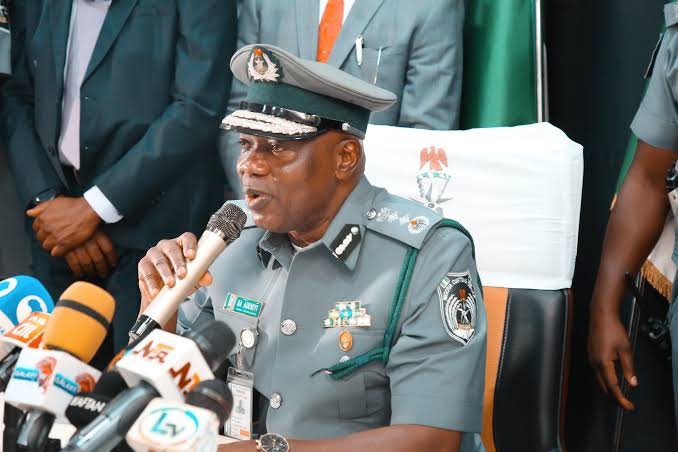
This was disclosed by the Chairman of the Federal Inland Revenue Service (FIRS), Zach Adedeji at an engagement with newsmen at the Presidential Villa on Tuesday.
According to him, despite growing the nation’s revenue by 411% in sixteen months to N3.74 trillion as at September, 2025, borrowing has remained an essential tool now focused strictly on funding growth and infrastructure, rather than recurrent expenses.
Adedeji revealed that revenues soared from ₦711 billion in May 2023 to ₦3.64 trillion in September 2025. Non-oil tax collections experienced the sharpest rise, increasing from ₦151 billion to over ₦1 trillion during that period. Oil revenue also climbed considerably, with receipts rising from ₦96 billion to ₦644 billion;
Value Added Tax (VAT) receipts more than tripled to ₦723 billion from ₦218 billion, while customs revenue surged to ₦322 billion from ₦106 billion.
The Nigerian Upstream Petroleum Regulatory Commission, he said also reported remittances jumping to ₦745 billion from ₦125 billion, and the Nigerian National Petroleum Company contributed ₦111 billion in September 2025.
He attributed the revenue boom to tax reforms initiated under President Bola Tinubu’s administration. Measures such as streamlining tax systems, reducing burdens on SMEs, harmonising levies, and deploying new technology platforms, like e-invoicing and data-driven audits, have closed tax leakages and expanded the tax base.
Responding to a question on why Nigeria continued to borrow despite hitting lofty revenue targets, he said the strategy has shifted dramatically. He stressed that borrowing was no longer to cover salaries or subsidies but directed at financing infrastructure and productive investments to spur long-term economic growth.
“Borrowing is not a problem, banks are part of our economy eco-system there is no country or an individual in the world that survive based on its own income, when government borrows from bank we pay interest, it is from that interest they pay their salaries; it is from the salaries that they pay taxes to state government, it is from the profit difference between profit and lending that I collect taxes from. So when you say you go for lending…it means you go for sustainability.
“So you borrow to beat higher cost for the future, you borrow because if matching concept to sustain continuity..when you borrow to do road infrastructure and you collect in the future taxes from anybody using that road to pay their fair share.
“Borrowing is part of economic plan and any country that will grow has to borrow because it is part of eco-system of a viable nation. So, when Mr. President said we have met our target or we are doing well in revenue, and they say why are we borrowing, is borrowing not part of the budget we submitted to National Assembly? Are we borrowing outside what is approved?”
Tinubu, who has consistently pushed for fiscal discipline, declared in his 2025 mid-year economic briefing that domestic resource mobilisation was paramount. “Our goal is to fund development from internally generated revenues,” he said, “and borrow only to support investments that can pay for themselves.”
Adedeji added: “If I have revenue of 80 and I borrow 20 as planned, then I have met my expenditure target of 100. So, borrowing within the approved budgetary limits is normal and necessary to meet the fiscal needs. The problem arises when borrowing is excessive or unplanned, causing debt distress or macroeconomic instability. Also, borrowing is not wrong as long as it is sustainable and used for productive sectors that generate economic growth, which in turn enhances revenue generation to repay the loans.