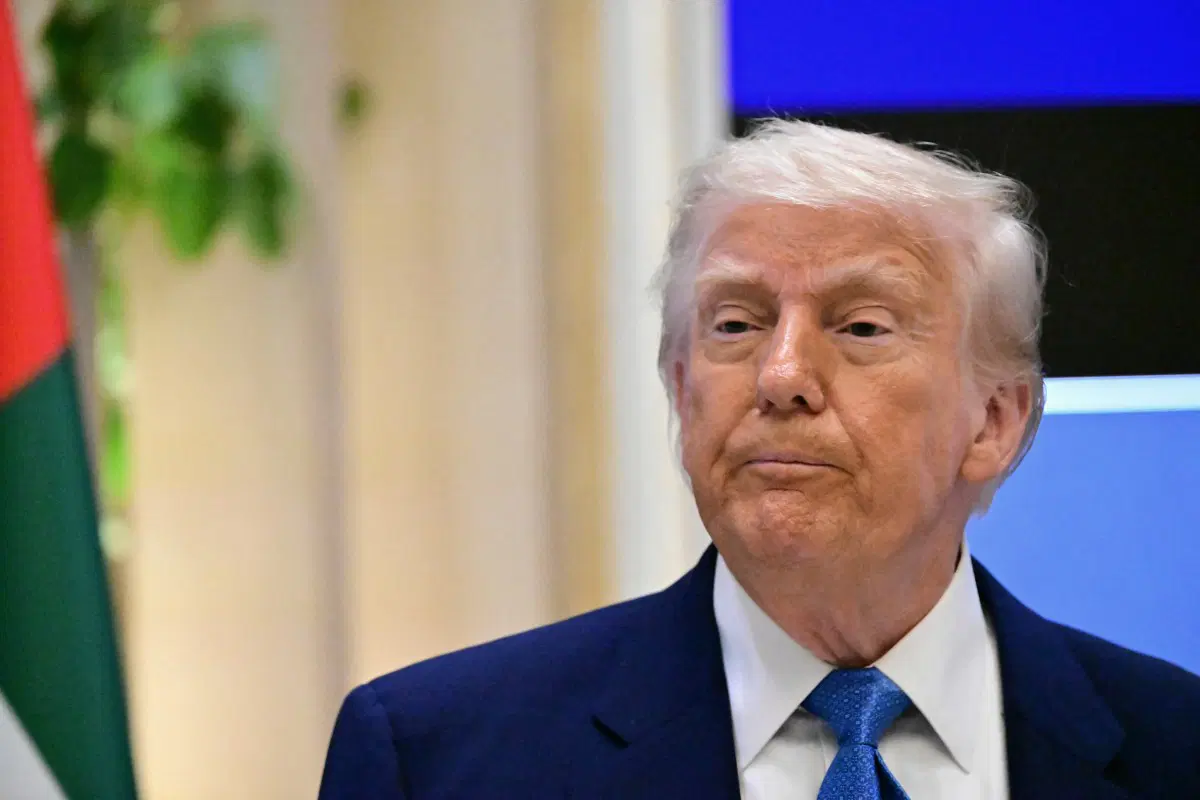
U.S. President Donald Trump traveled to flood-ravaged Texas on Friday as criticism mounted over the authorities’ response to one of the deadliest natural disasters in recent U.S. history. The flash floods, triggered by relentless rainfall and the overflowing Guadalupe River, have left at least 120 people dead — including dozens of children — and more than 170 people still missing.
Trump and First Lady Melania Trump boarded Air Force One en route to Kerrville in central Texas, the hardest-hit area where at least 96 deaths have been confirmed. Speaking before departure, Trump described the disaster as a “terrible thing” and said he planned to meet “some of the great families” affected by the tragedy.
Search and rescue operations entered their eighth day, with emergency teams navigating through debris and thick mud in hopes of locating survivors. Among the missing are five girls who had been attending a summer camp. So far, there have been no live rescues this week, raising fears that the death toll could rise further.
While Trump labeled the event a “100-year catastrophe” and claimed no one could have anticipated it, questions continue to surface about delayed emergency alerts and the readiness of local and federal authorities. Reports suggest that early warning messages were sent out too late, in some cases arriving after large numbers of people had already been swept away by floodwaters.
In response to criticism, Homeland Security Secretary Kristi Noem defended the federal response, calling it “swift and efficient.” Trump, however, avoided addressing the impact of budget cuts to disaster preparedness programs or the future of FEMA, the Federal Emergency Management Agency, which began its operations only after Trump signed a major disaster declaration last weekend.
Controversy has also arisen over the possibility of phasing out FEMA in favor of state-led disaster responses. Noem stated at a recent government review meeting that FEMA “should be eliminated” in its current form — a proposal that has sparked alarm among emergency experts and civil society groups.
Local authorities in Kerr County — part of a region infamously known as “Flash Flood Alley” — confirmed that 36 children died during the flood, many of them campers staying at sites along the Guadalupe River. Camp Mystic, a well-known summer camp in the area, lost 27 girls and counselors when their cabins were swept away.
The most damning revelations center on the breakdown of early warning systems. Audio obtained by ABC News indicates that a local firefighter requested resident alerts around 4:22 a.m., but the CodeRED emergency system in Kerr County did not begin sending notifications until nearly 90 minutes later. In some cases, alerts reportedly arrived after 10:00 a.m., well after the flood had done its worst damage.
Trump expressed support for introducing more advanced flood alarm systems, saying, “You’d put alarms up in some form, where alarms would go up if they see any large amounts of water.” However, critics argue that technical infrastructure alone is not enough — pointing to the need for coordinated, proactive leadership and preparedness.
As the nation mourns the lives lost and the full extent of the disaster continues to unfold, pressure is building on local and federal authorities to explain what went wrong and ensure it never happens again.