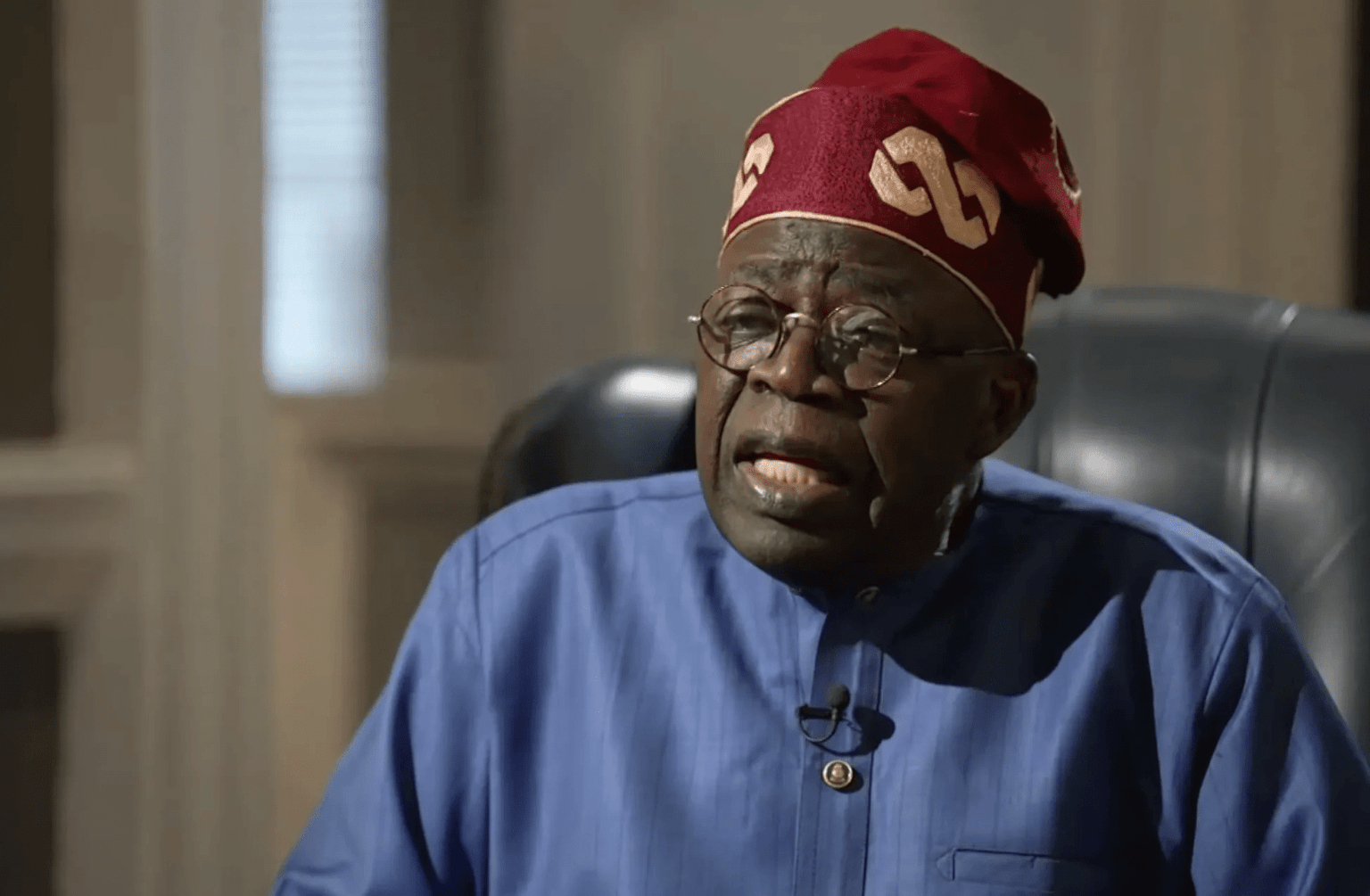
United States law enforcement agencies, including the CIA, FBI, and DEA, have jointly argued before the U.S. District Court for the District of Columbia that Nigerian citizens “have no right” to unrestricted access to President Bola Tinubu’s records. This stance was highlighted in a memorandum filed by the agencies, which was later shared on Twitter by investigative journalist David Hundeyin on Tuesday night.
The filing comes as an update to an ongoing Freedom of Information Act (FOIA) case, which seeks to lift redactions from confidential files concerning Tinubu’s past drug trafficking investigations in the U.S. Last year, the same court denied an emergency motion requesting that the U.S. expedite the release of sensitive records linked to Tinubu.
According to Hundeyin, the agencies’ memorandum argued against a motion for summary judgment in favor of full disclosure, claiming that releasing Tinubu’s unredacted records could have serious national security implications. The CIA specifically suggested that President Tinubu might have served as a “human source” or asset, warning that public confirmation of any such cooperation would pose risks not only to Tinubu but to his contacts, associates, and family. A section of the CIA’s filing reportedly states, “Human sources can be expected to furnish information to the CIA only when they are confident the CIA can and will do everything in its power to prevent the public disclosure of their cooperation.”
This filing suggests that releasing unredacted files on Tinubu could compromise U.S. intelligence sources and methods, according to the CIA, which further warned that revealing these details could endanger those connected to any intelligence chain linked to Tinubu.
The DEA, meanwhile, appeared to challenge the extent of Nigerians’ right to information regarding their president’s history, allegedly stating, “We oppose full, unredacted disclosure of the DEA’s Bola Tinubu heroin trafficking investigation records because we believe that while Nigerians have a right to be informed about what their government is up to, they do not have a right to know what their president is up to.”
Hundeyin criticized this position as an attempt to shield damaging information about a foreign leader, questioning the implications for the stability and governance of African nations. He argued that the U.S. government’s position exemplifies a recurring issue, stating, “There is nothing more to be said about the direct role that the U.S. government plays in ensuring that Africa is constantly destabilized and afflicted with terrible leaders who create poverty and devastation.”
The filing adds further intrigue to ongoing speculation about Tinubu’s past and his reported ties to drug trafficking investigations in the U.S., with calls for transparency by activists and journalists who argue that Nigerians deserve a clear understanding of their leader’s history.