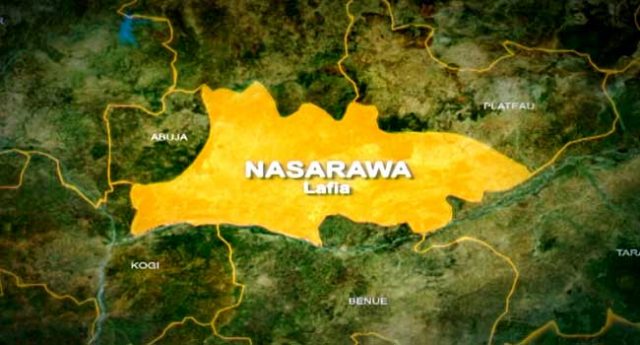
Farmers in the Nasarawa Local Government Area of Nasarawa State have voiced concerns over the impact of excessive rainfall on their crops, fearing it could lead to reduced yields and worsen food insecurity nationwide.
In separate interviews with newsmen on Tuesday, the farmers highlighted the challenges posed by ongoing climate change and variability, which have altered weather patterns and resulted in persistent rainfall across Nigeria.
They expressed apprehension that the continuous downpour could adversely affect their harvests and further exacerbate food insecurity in the country.
Dr. Tama Shawulu, a local farmer, emphasized that excessive rainfall could leach vital nutrients from the soil, impede plant growth, and ultimately devastate crops.
“The rain keeps falling, and you cannot question God’s will. We are seriously concerned because while some crops thrive with extended rainfall, others do not.
“We don’t want to lose crops that prefer moderate or controlled rainfall due to the excessive rain,” he said.
Mr Azaki Yusuf, another farmer, agreed and added that if the excessive rainfall continues, some crops will be damaged, while others will yield poorly.
“The issue is that we planted sesame, and if this excessive rain persists, it will ruin the sesame and other crops like beans, which do not tolerate too much rain. With this situation, there will be food shortages in the country,” he said.
Mr Amos Audi also expressed concerns, warning that continuous heavy rainfall could damage crops in the fields, with some crops producing poor yields.
He explained that prolonged rain affects crop selection, causing delays in planting alternative crops, and noted that flooding could wash away soil nutrients, further damaging crop yields.
Prof. Olumuyiwa Jaiyeoba, a Professor of Agronomy and Soil Science, at Nasarawa State University Keffi, attributed the continuous rainfall to climate change and seasonal variations that are difficult to predict statistically.
He warned that current rainfall patterns could worsen the current food crisis, already exacerbated by insurgency, farmer-herder conflicts, and other criminal activities, especially in Northern Nigeria.
(NAN)