Given another chance to uphold democratic norms to global standards, Nigeria’s political leadership has regrettably driven the country deeper into disarray.
In Ondo State, governance has languished for six months due to Governor Rotimi Akeredolu’s absence from duty and the state capital, Akure, resulting in a state of abeyance, inertia, and autopilot.
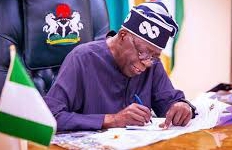
The ethical course of action demands that the governor step down, considering the five million residents’ interests. However, party leaders, spearheaded by President Bola Tinubu, have prioritized party unity over public welfare, perpetuating a nauseating charade.
This situation is alarming, and the governor should promptly relinquish government responsibilities to focus on his health. Failing this, either the state executive council or the legislature should invoke constitutional provisions to remove him from office.
This predicament marks yet another setback for Nigeria’s democracy. Akeredolu has grappled with severe illness for over a year, managing state affairs remotely from Ibadan, Oyo State, and even seeking medical attention in Germany for three months.
Upon his return, his aides have orchestrated a facade of normalcy in Ondo State, masking the governor’s incapacity. The crisis deepened with the Deputy Governor, Lucky Aiyedatiwa, facing harassment from Akeredolu’s supporters over internal disputes, including attempts at his impeachment by the Ondo State House of Assembly.
As a Senior Advocate of Nigeria and former president of the Nigerian Bar Association, Akeredolu must respect the law. The constitution allows him to hand over to his deputy and declare a medical leave of absence to the Ondo State House of Assembly. Alternatively, he should resign to attend to his health.
Public service necessitates selflessness. His departure due to incapacity would benefit the state more than the ongoing intrigues and administrative standstill amid severe economic, security, and social challenges.
The constitution provides mechanisms for the removal of a governor or deputy governor on medical incapacitation grounds by the House or the state executive council.
However, Tinubu’s and the ruling party’s intervention, favoring party interests over public welfare and global democratic practices, exacerbates the crisis. Their resolution advocating the maintenance of the status quo and discouraging impeachment proceedings against Aiyedatiwa only perpetuates governance limbo in Ondo State.
Nigerian politicians seem impervious to past mistakes. Similar political stalemates occurred in 2009 during Umaru Yar’Adua’s medical absence and subsequently with Muhammadu Buhari’s prolonged foreign medical trips.
This grim spectacle must end. While everyone sympathizes with Akeredolu’s illness, stepping down from the demanding role of governor is imperative for the collective well-being. As a leader in the legal and civil society spheres, he once advocated for governance best practices.
The Nigerian Bar Association, having previously urged Yar’Adua to step down, faces accusations of double standards for supporting Akeredolu’s continuance.
Akeredolu should step aside. If he fails to do so, the Ondo State House of Assembly and the state executive council should take necessary actions for his removal.