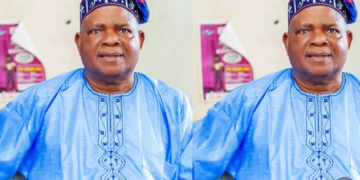
The Abuja Environmental Protection Board (AEPB) is resolute in its commitment to enforcing waste bill payments among the residents of Abuja.
Mr. Osi Braimah, the Director of AEPB, made this declaration on Wednesday following a court hearing concerning those who have not settled their waste bills in the Federal Capital Territory (FCT).
Braimah expressed his disapproval of the failure of FCT residents to fulfill their waste bill obligations.
“We are doing these trials to enforce payments for services rendered, and those in court are those defaulted in non-payment for these services rendered,” he said.
He reiterated that the charges made by AEPB were not levies, but payment for the services it had rendered.
“AEPB provides waste management services, sewage, and sewage maintenance services because we are responsible for maintaining all the treatment plants in the FCT, and this is done at an exorbitant cost,” he added.
According to him, AEPB usually gives out waste bills for 12 calendar months, though some residents complained that they find it difficult to pay the bills once.
“So when we give our bills for one year, you are allowed to pay quarterly or any way you find convenient because each time you pay you have records of your payment schedule.
“We are in the fourth quarter of the year; we are rounding off the year; so, we expected the people to have paid up their bills by now.
“There are also some residents who have not paid their waste management bills for years either for whatever reasons; we have records; they are the people we are taking to court; these are big defaulters.’’
Braimah said that the properties being prosecuted were banks, commercial outlets, residential buildings, among others.
The director said it was a wake-up call to those who had not paid to begin to make arrangements to pay.
“We will begin to shut down our services for those who have not paid; seal up; and in some cases, disconnect our sewage services because these services cost a lot of money to maintain.
“We cannot continue to give free services; the services rendered are already subsidised because what we are charging are the rates of 2012 which are very old rates.
“ It is highly subsidised and so we expect residents to pay,” Braimah said.