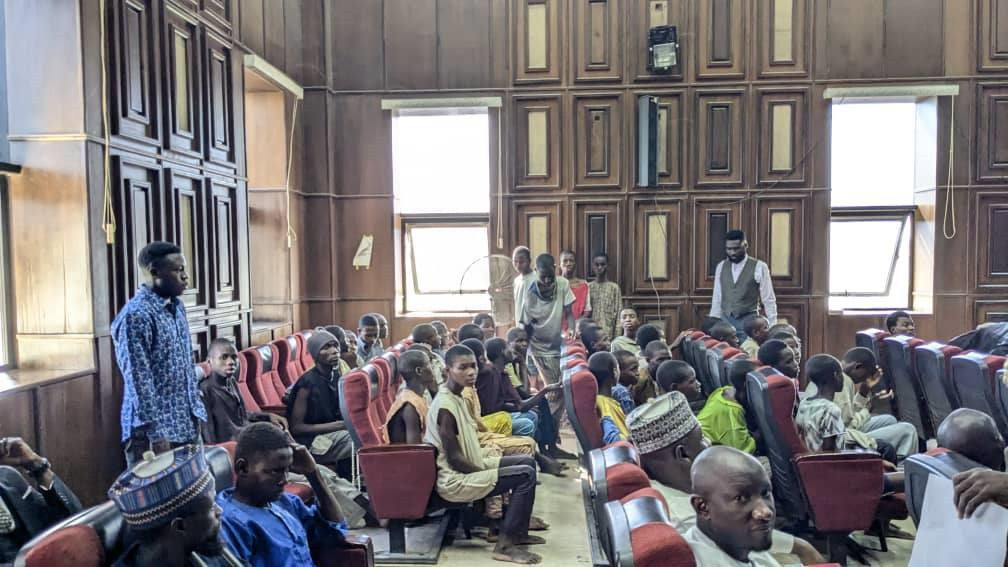
Following Nigeria’s confirmation of an imported case in the Federal Capital Territory (FCT), Abuja, Niger State government has intensified its preparedness against Ebola Virus Disease (EVD), inaugurating a multi-sectoral emergency response committee.
Commissioner for Health, Dr. Murtala Bagana, disclosed on Monday in Minna during the inauguration of the State Ebola Virus Disease Emergency Preparedness and Response Committee that the essence is to strengthen surveillance, isolation, infection prevention and cross-border monitoring.
He also stressed that the heightened alert was precautionary and that no confirmed Ebola case had been reported in the state.
He noted that the State Governor, Umaru Bago had directed the release of funds for the preparation of a modern isolation centre following the outbreak in the Democratic Republic of the Congo (DRC) in May 2026.
He added that the Federal Government had provided ₦21.6 million to each state, including Niger, to support Ebola preparedness.
Dr. Bagana said the state through local government health teams, would alert public and private health facilities, review referral arrangements and reinforce infection prevention and control measures to protect health workers and patients.
While adding that the State in collaboration with the Federal Ministry of Health’s Ports Health Authority would strengthen safeguards at Minna airport and the international border at Babana in Borgu Local Government Area, border with the Republic of Benin, the commissioner cited the international outbreak situation as a reason for vigilance, noting that the World Health Organisation’s October 23 update reported 9,704 confirmed cases and 4,687 deaths in the DRC as of October 20, across 66 health zones in eight provinces.
It should be noted that two suspected cases were under investigation in the FCT and Rivers State as of October 24, while 53 identified contacts were being monitored and had no symptoms at the time.
Dr. Bagana emphasised that Niger State’s proximity to the FCT made early detection, rapid reporting and effective coordination imperative, but cautioned against panic, misinformation and the stigmatisation of individuals.
He charged the newly inaugurated committee to deliver measurable results through coordinated incident management, case investigation, contact tracing, laboratory referral, clinical readiness, logistics and public risk communication.
He urged residents to maintain good hand hygiene, avoid contact with the blood and body fluids of suspected cases, and promptly report possible exposure or symptoms to public health authorities.
Health facilities were directed to notify their local government Disease Surveillance and Notification Officers without delay and comply with NCDC guidance.
Dr. Bagana said the State government would continue coordinating with the Nigeria Centre for Disease Control and Prevention, the FCT authorities, the WHO and other relevant partners to strengthen preparedness and protect public health.
The committee members are drawn from relevant public health, development partners and communication experts to drive home the message.