
BUA Group is investing about $85 million in the expansion of its port facility at Rivers Port in Port Harcourt, Rivers State.
The Chairman of compqny, Abdul Samad Rabiu said that it was part of efforts to strengthen its logistics infrastructure and support the growing volume of raw materials expected to move through Nigeria’s eastern maritime corridor.
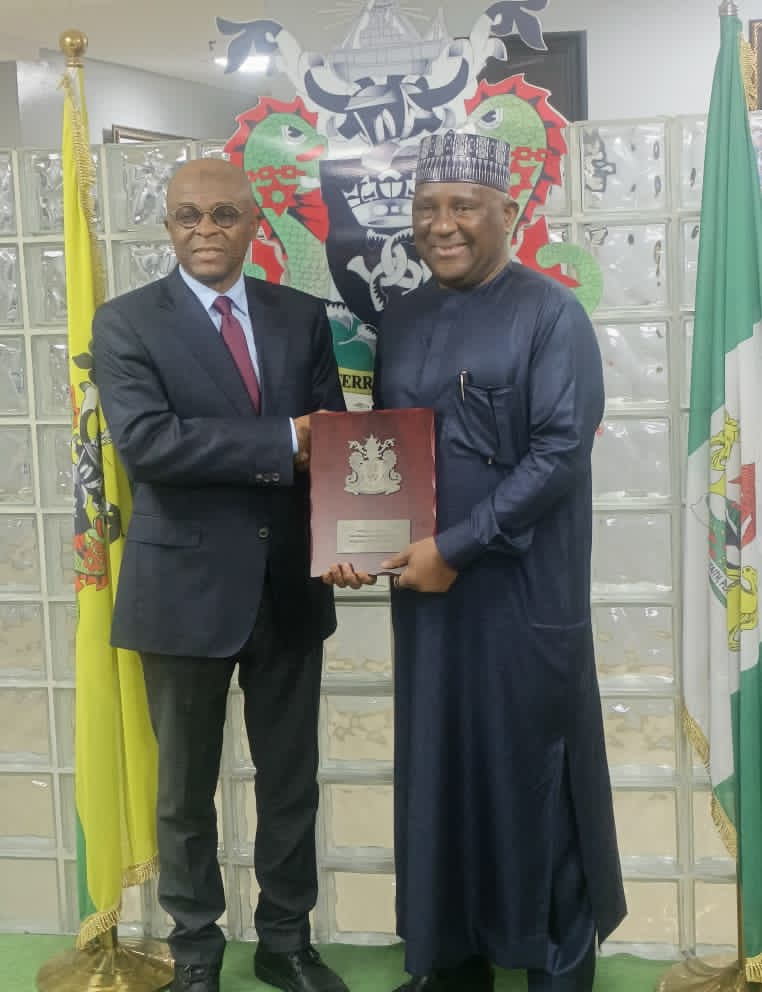
Rabiu made the disclosure during a visit to the Managing Director of the Nigerian Ports Authority (NPA), Abubakar Dantsoho, where he expressed appreciation to the NPA management for its support and briefed the authority on the progress of the expansion of BUA’s port and terminal facilities in Port Harcourt.
According to him, the investment, which was already at an advanced stage, would provide approximately 600 metres of seaside frontage, significantly increasing the company’s capacity to receive and handle vessels and cargoes required for its expanding manufacturing operations.
He explained that the expansion had become necessary as BUA continues to grow its operations across several sectors, particularly food processing, with the company projecting that more than two million tonnes of products and raw materials could be imported annually through Port Harcourt when the expansion is completed next year.
Rabiu added that the projected volume would require a dedicated and efficient terminal capable of handling the vessels and cargoes associated with the company’s growing operations.
He said: “By the time we are done with the expansion, inshallah, next year, we’ll be having almost over two million tons of products being imported as raw materials to Port Harcourt, and for that we need a terminal, we need a facility.”
The chairman stressed that an efficient port system was critical to the operations of BUA, particularly given the nature of its businesses, which include sugar refining, flour milling, pasta and noodles production and edible oils, among others.
According to him, the projected cargo volume could translate into approximately six to seven vessels entering the port every month, making an efficient and properly developed terminal essential to sustaining the company’s supply chain.
Rabiu explained that the investment in Port Harcourt was also part of BUA’s broader expansion strategy across cement, food, mining and infrastructure, stressing that efficient maritime and logistics infrastructure was critical to the success of the company’s investments.
Also, the chairman called attention to the need for greater development of Nigeria’s port infrastructure, particularly outside Lagos, noting that the country’s economic size required a more robust and geographically diversified port system.
He commended the NPA management for what he described as its competence, dedication and support for private-sector investment in the maritime sector, while thanking President Bola Ahmed Tinubu for appointing what he described as a competent and dedicated management team at the authority.
Responding, the NPA Managing Director, Abubakar Dantsoho, described Rabiu as a major stakeholder in Nigeria’s maritime sector and assured BUA of the authority’s continued support for the expansion.
Dantsoho said that NPA was particularly interested in supporting investments that would increase cargo volumes, improve utilisation of the eastern ports and strengthen Nigeria’s position as a major maritime hub in West Africa.
He noted that BUA had already made substantial investments in Lagos and was now extending its investment footprint to Port Harcourt, describing the development as important to achieving a more balanced port system in the country.
According to him, increased cargo volumes through Port Harcourt would create opportunities for higher import and export activities, generate more economic value and contribute to increased foreign exchange earnings.
He explained: “Now we know that he has invested a lot in Lagos. Now he’s investing also a lot in Port Harcourt.
“So in that way, our volumes will increase, which means that even if we are talking about exporting, we are exporting more.
“If we are talking about importing, we can import more. And by so doing, now we are going to make more value. That’s money from those transactions.”
Dantsoho said that the authority’s strategy was to collaborate with major stakeholders and other players across the maritime value chain to improve the efficiency and competitiveness of Nigerian ports.