
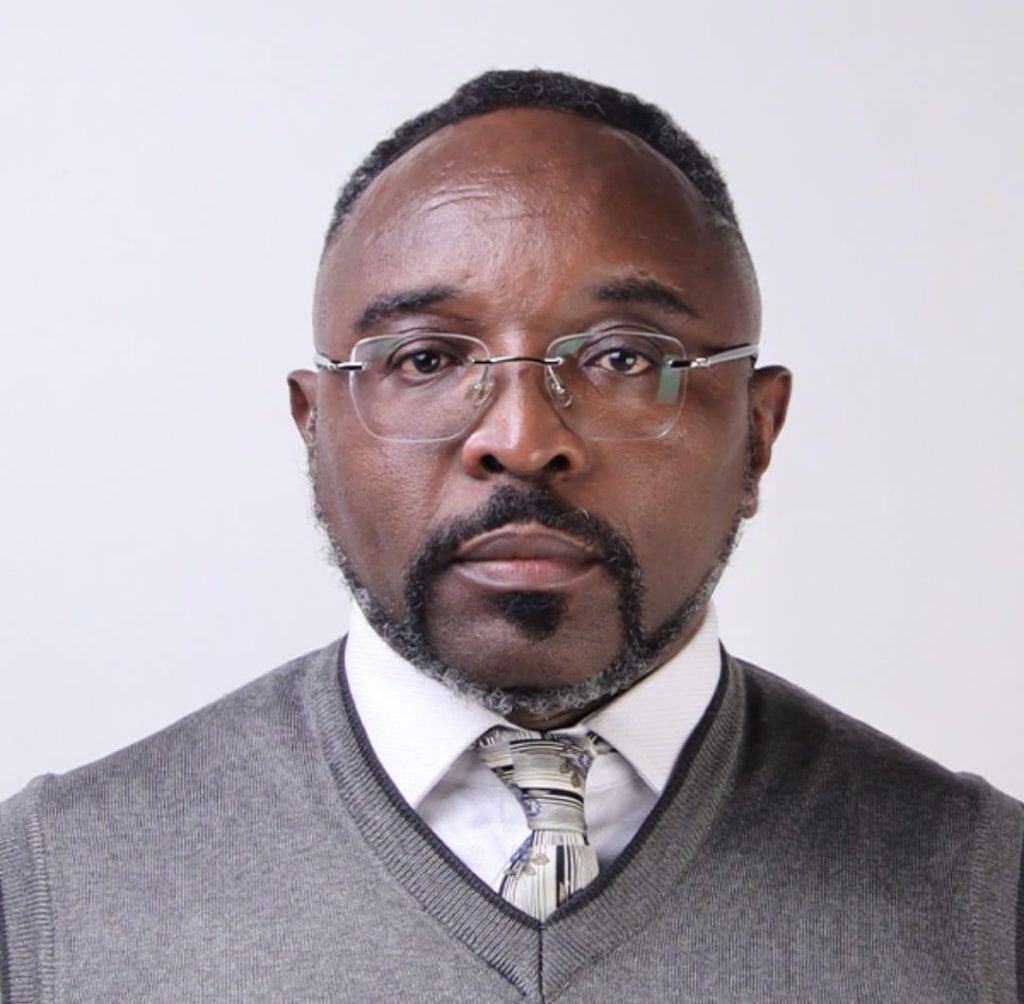
The Editor of The Nairobi Law Monthly, James Mbugua, has accused China of influencing the Zambian government to cancel a global digital human rights conference scheduled for May 5 to 8, 2026.
The event, known as RightsCon 2026, was abruptly canceled by the Zambian government just days before it was set to begin.
In an article titled “State Control and Allegations of Chinese Government Interference in African Civic Spaces,” Mbugua claimed the Chinese government orchestrated the cancellation. He stated the move aimed to prevent Taiwanese delegates from exposing China’s poor human rights record.
Mbugua noted that the cancellation is deeply damaging. Instead of celebrating the first time the summit was hosted in Sub-Saharan Africa, the event has now become a case study in the fragility of civic space.
The article reads: “Late at night, just days before the world’s largest digital human rights conference was set to open in Zambia, the government pulled the plug and advised delegates not to take their flights.
“The abrupt cancellation of RightsCon 2026 in Lusaka is more than a logistical failure. It is a political signal, one that raises urgent questions about the state of digital rights, civic spaces, and government accountability across Africa. Allegations, reported by Human Rights Watch and Zambian media publications, suggest the Chinese Government expressed concern to the Zambian authorities over some delegates from Taiwan. The authorities feared that the Taiwanese delegates might potentially speak out against the Chinese Government at the conference.
“RightsCon brings together activists, technologists, policymakers, and civil society to shape conversations around internet freedom, surveillance, data governance, and human rights in the digital age. The 2026 convening was particularly significant – it would have marked the first time the conference was hosted in Sub-Saharan Africa. Instead, it has become a case study in how fragile civic space remains.
“According to organisers, the Zambian government demanded that speakers disclose their topics in advance and cited incomplete security clearances as grounds for cancellation. These justifications have been widely challenged.
“More than 5,000 delegates had registered, others had secured visas, booked travel, and invested limited resources to participate in what was meant to be a landmark moment for the region. Many were even on the way to the conference.
“As noted by Sabhanaz Rashid Diya of the Tech Global Institute, “the cancellation underscores a harsh reality: years of work can be undone at a moment’s notice, particularly for actors in the Global South operating with limited funding and institutional support”.
“The decision has drawn swift condemnation.
“The United Nations criticised the move, while Paradigm Initiative, a non-profit youth and digital organisation, described it as a violation of Zambia’s own commitments to human rights and freedom of expression.
“Paradigm Initiative condemns, in the strongest terms, the actions of the Government of Zambia that have now led to the cancellation of RightsCon 2026”, Paradigm Initiative said in a statement.
“The decision to “postpone the conference” raises critical concerns about state control and just how far foreign authoritarian governments, such as the Chinese Government, will go to shrink the civic space.
“The allegations of the Chinese government’s involvement in blocking RightsCon, allegedly over concerns that programme sessions would have cast the Chinese government in a negative light by showcasing Chinese human rights violations, are troubling.
“These allegations exist within a growing environment of Chinese involvement in domestic African media, as reported recently by the Kenya Forum. A recent article on the site explains how “the cynical nature of Chinese partnerships with African media houses is characterised by quid pro quo arrangements in which editorial independence is partly relinquished to the CCP in exchange for resources”.
“Requiring prior disclosure of discussion topics, especially in a forum dedicated to open dialogue, signals discomfort with scrutiny. It suggests a desire to manage, filter, or pre-empt conversations that may challenge state authority.
“Taken together, these developments point to a tightening of civic spaces, not just online, but in physical gatherings too.
“For years, African digital rights actors have pushed for greater inclusion in global policy spaces. Hosting RightsCon in Lusaka was not just symbolic; it was an opportunity to centre African voices in shaping global digital futures.
“That opportunity has now been knocked off course, with deeper implications that raise some uncomfortable questions. What safeguards exist for civil society engagements in politically sensitive environments? And how can digital rights movements remain resilient in the face of state interference?
“The cost of this decision is not only financial, but also the loss of a platform for dialogue, the disruption of networks and collaborations, and the erosion of trust between governments and civil society.
“Perhaps most importantly, it sends a message – that even spaces dedicated to rights, transparency, and accountability are not immune from political interference.
“The cancellation of RightsCon 2026 is a stark reminder that the struggle for digital rights is inseparable from broader questions of governance and power. We cannot build a digital future when our dialogue around it is restricted. We cannot allow foreign governments to dictate what the people of Zambia and, indeed, Africa, are allowed to hear and not hear. This is an unacceptable infringement on our sovereignty.”