The opposition coalition platform, the Nigeria Democratic Congress (NDC), on Saturday officially zoned its 2027 presidential ticket to Southern Nigeria for a single four-year term as part of a broader power-sharing arrangement designed to strengthen national balance within the party.
The decision was taken at the party’s National Convention held in Abuja, where delegates overwhelmingly adopted a motion moved by the member representing Ogbaru Federal Constituency of Anambra State in the House of Representatives, Afam Victor Ogene.
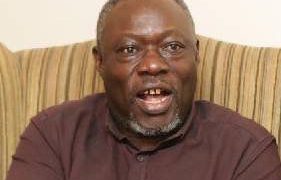
Announcing the resolution, the National Chairman of the party, Moses Cleopas, said the arrangement was aimed at promoting equity, inclusiveness and stability within the growing opposition coalition ahead of the 2027 general elections.
Cleopas explained that under the agreement reached by party stakeholders, the South would produce the party’s presidential candidate in 2027 for only one term of four years, after which the ticket would automatically rotate to Northern Nigeria in 2031.
“It will be the turn of the North in 2031,” Cleopas declared while addressing delegates at the convention.
The convention also ratified the election of members of the party’s National Working Committee (NWC), a move party leaders described as part of efforts to consolidate the party structure across the country.
The zoning arrangement is expected to pave the way for former Anambra State governor and Labour Party’s 2023 presidential candidate, Peter Obi, and other southern aspirants to formally obtain and process the party’s presidential nomination forms.
The NDC has in recent months emerged as a rallying platform for opposition politicians seeking a united front against President Bola Ahmed Tinubu and the ruling All Progressives Congress (APC) ahead of the 2027 elections.
The party gained national attention following a wave of defections and coalition talks involving key opposition figures dissatisfied with internal crises in their former political parties. Political observers believe the NDC is positioning itself as a major alternative platform capable of attracting politicians from the Labour Party, Peoples Democratic Party and the New Nigeria Peoples Party.
In a major boost to the party, Obi and former Kano State governor, Rabiu Musa Kwankwaso, formally joined the NDC during a reception held in Abuja.
Addressing party leaders and supporters at the event, Obi said their decision to join the NDC was informed by the desire to build a stable political movement focused on national development rather than internal disputes and endless litigations.
He urged party members and supporters to avoid actions capable of creating divisions within the new coalition, stressing that Nigerians were expecting the opposition to provide credible leadership and practical solutions to the country’s economic and security challenges.
Kwankwaso also called for unity among opposition forces, saying only a disciplined and focused coalition could successfully challenge the ruling party in 2027.
The emergence of the NDC as a coalition platform is already generating intense political calculations across the country, especially with growing speculations that several influential politicians and former governors may soon align with the party ahead of the next election cycle.