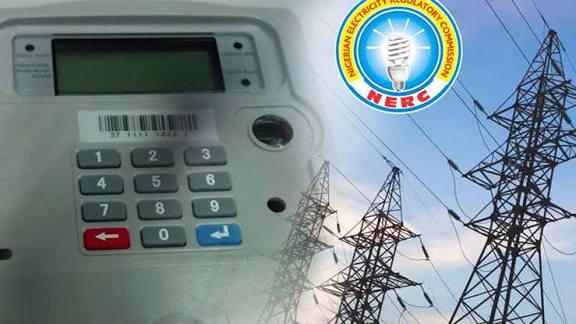
The Nigerian Electricity Regulatory Commission (NERC) has revealed notable progress in the country’s efforts to reduce its longstanding electricity metering gap, reporting that 106,822 new meters were installed by distribution companies in October. The figures were contained in the regulator’s latest data release, which tracks monthly meter deployments by the nation’s electricity distribution companies. According to the commission, the new installations contributed to an improvement in the national metering rate, which rose to 56.07 per cent in October, up from 55.37 per cent in the previous month, signalling steady progress in ensuring more consumers are billed based on actual usage rather than estimated consumption.
NERC’s metering factsheet showed that the number of active electricity customers in Nigeria edged higher in October, reflecting increased onboarding of new electricity users alongside expanded metering coverage. The addition of tens of thousands of meters helped expand actual metering for households and businesses, an outcome regulators say should enhance transparency in billing and strengthen revenue collection for distribution companies. More consumers being metered also means a reduction in contentious estimated billing practices that have long frustrated electricity users across the country.
Performance across the distribution companies varied, although several reported significant gains in their individual metering rates. Some utilities posted double‑digit increases in the number of customers now on prepaid metering, while others maintained relatively strong coverage. Despite these gains, several distribution companies are still trailing behind the national average, indicating that closing the metering gap remains a work in progress. NERC emphasised that accelerating meter deployment is essential for the overall health of the electricity supply industry, as it can reduce commercial losses, enhance planning, and build consumer confidence in billing systems nationwide.
The regulator has been encouraging electricity distribution companies to ramp up meter rollout through various financing mechanisms and regulatory incentives. These include structured funding frameworks designed to support distribution companies to procure and install meters efficiently, and performance‑based oversight aimed at encouraging accountability. The push to modernise the metering landscape forms part of broader power sector reforms focused on attracting investment, improving reliability of service delivery, and addressing chronic challenges that have long plagued Nigeria’s electricity system. While the incremental gains reported in October are encouraging, stakeholders say more sustained effort and collaboration between regulators, distribution companies, and meter providers will be necessary to build on the progress and close the remaining metering gap.