
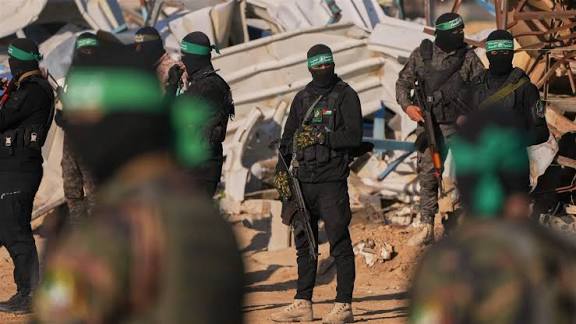
Israel has said it will work toward ensuring that Hamas is effectively stripped of its weapons as part of ongoing peace efforts following an unusual proposal from the Palestinian group to pause the use of its arsenal. The Israeli government’s declaration comes amid delicate negotiations over a ceasefire that has largely held since October, even as both sides prepare for a more complex second phase of discussions aimed at ending more than two years of conflict.
The development emerged after senior figures within Hamas indicated a willingness to discuss a temporary freeze on weapons, though they stopped short of agreeing to full disarmament. Hamas leaders described their approach as a way to help sustain a long-term truce, but stressed that completely giving up arms – as demanded in some peace plans – remains unacceptable to the group. They suggested that arrangements could be made to “store” or “freeze” weapons to build confidence and guard against renewed hostilities.
Israel responded firmly to the proposal, saying that any lasting peace arrangement would require Hamas to be disarmed. Prime Minister Benjamin Netanyahu has reiterated that the war in Gaza cannot truly be considered over until the militant group no longer maintains its arsenal, which Israeli leaders view as integral to its capacity to wage conflict. Israeli officials have indicated that disarmament is not just a symbolic goal but a practical condition for ending the cycle of violence and ensuring security for civilians on both sides.
The ceasefire that has brought relative calm is part of a broader peace initiative sponsored by the United States, which envisions several stages including troop withdrawals, international monitoring, the return of hostages, and eventually the deployment of an international stabilisation force. Within that framework, the question of what happens to Hamas’ weapons has become one of the most contentious issues, with negotiators trying to bridge deeply entrenched positions.
Hamas leaders have portrayed their stance as grounded in a desire to protect Palestinian rights and security, arguing that retaining some form of military capability is linked to broader political objectives and the ongoing occupation. At the same time, by signalling openness to pause the use of arms, they have sought to demonstrate flexibility and sustain diplomatic engagement, even as they reject unconditional surrender of their military capacity.
International actors, including mediators from countries such as Qatar, Egypt, and Turkey, continue to push both sides toward compromise, emphasising that lasting peace will require addressing not just immediate ceasefire terms but the fundamental conditions that fuel mistrust and conflict. In this context, how the weapons issue is resolved – whether through freezing, storing, or eventual disarmament – is expected to be central to any durable settlement emerging from the talks.