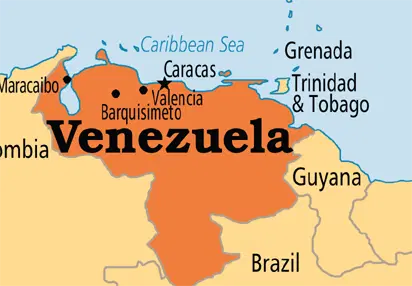
Venezuela has dismissed Washington’s recent move to classify an alleged drug-trafficking network as a terrorist group, describing the claim as nothing more than a manufactured falsehood aimed at paving the way for foreign aggression.
In a strongly worded statement released on Monday, the Venezuelan Ministry of Foreign Affairs denounced US Secretary of State Marco Rubio’s decision to label the so-called “Cartel of the Suns” as a terrorist organization. The ministry said the allegation was an attempt to justify actions that violate international law and Venezuela’s sovereignty.
The US listing, which formally took effect the same day, expands Washington’s legal framework for exerting pressure on President Nicolas Maduro’s government. American officials insist that the mysterious group operates under Maduro’s control—though no proof has been publicly provided to support the accusation.
The designation comes as part of a broader US initiative targeting drug trafficking and irregular migration from Latin America. However, Caracas believes the timing and intensity of US activities indicate deeper intentions.
The United States has amassed a massive military presence in Caribbean waters, including deploying the world’s largest aircraft carrier. Although the buildup was announced as part of anti-narcotics operations, Venezuelan authorities say it appears to be a cover for efforts to destabilize or remove Maduro from power.
Since September, US forces have reportedly killed at least 83 people in strikes on boats suspected of transporting drugs in international waters, based on an AFP tally of publicly available figures. Yet American authorities have not presented evidence showing that the targeted vessels actually carried narcotics.
With US warships now heavily concentrated in the region, officials warn that the new terrorist designation may serve as legal justification for even more intense pressure on Venezuela.
Rubio previously argued that the “Cartel of the Suns” is responsible for violent acts across the Americas. But Washington has given no details on how far it intends to push its strategy in Venezuela. The combination of repeated maritime killings and the large military footprint has sparked unease, even within parts of the US government, over whether the operations comply with international law.
The deteriorating security climate has also affected civilian activity. Over the weekend, six airlines announced they were suspending flights to Venezuela due to rising safety risks.
The US Federal Aviation Administration likewise issued a notice advising aircraft flying over Venezuelan airspace to remain alert, citing escalating tensions and increased military maneuvers near the country.