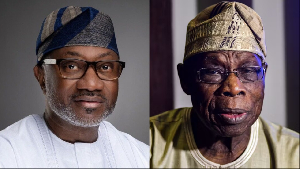
Billionaire, Femi Otedola Recounts Midnight Clash With Obasanjo
Nigerian billionaire Femi Otedola has revealed a fiery encounter with former President Olusegun Obasanjo in 2004, after the deregulation of diesel importation sparked controversy and allegations of supply shortages.
In his soon-to-be-released memoir, Making It Big: Lessons from a Life in Business, scheduled for publication on August 18, 2025, Otedola details how a late-night phone call from the president turned into a heated exchange.
According to excerpts obtained by TheCable, Otedola — then head of Zenon Petroleum — had convinced Obasanjo that private operators could meet the country’s diesel needs without the Nigerian National Petroleum Company (NNPC), which had been importing the product below market rates and receiving government subsidies.
However, soon after deregulation, political and business rivals reportedly told the president that the policy had triggered a nationwide diesel scarcity, grounding trucks and shutting down industries.
“They told him the economy was about to collapse,” Otedola wrote. “At 2am, Baba called me, shouting: ‘You’re a stupid boy! God will punish you! You persuaded me to deregulate diesel, and now there’s no diesel in the country!’”
The oil magnate recounted flying to Abuja the next morning, where Obasanjo confronted him again in person. Otedola said he insisted the reports were false and that he had six ships laden with diesel waiting to offload — even paying costly demurrage fees due to port delays.
To counter the rumours, Otedola proposed publishing the availability and price of diesel in national newspapers to reassure the public. He claimed that elements within NNPC, opposed to losing their lucrative subsidy regime, had orchestrated the misinformation campaign.
Despite the heated clash, Otedola said Obasanjo eventually trusted his explanation, noting that the former president was not easily swayed once he believed in someone’s integrity.
The deregulation of diesel in 2004 marked the first time a petroleum product was fully liberalised in Nigeria, ending its subsidy and the rent-seeking culture it sustained.