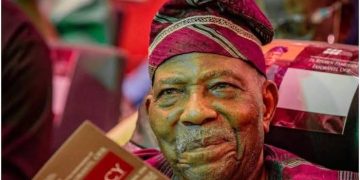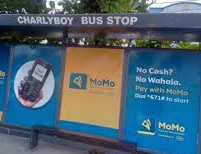
Former Minister of Communications and retired military officer, Major General Tajudeen Olanrewaju, has strongly condemned the recent renaming of historic streets and bus stops in Lagos, describing the move as an “inconceivable injustice” against the cultural identity and historical legacy of the state.
In a statement issued Tuesday by his media office, Olanrewaju, who also served as General Officer Commanding (GOC) 3 Division of the Nigerian Army, criticised what he called the “usurpation” of legacy names by political actors with no cultural or historical ties to Lagos.
“Lagos State today has lost its indigeneity rights to keep its old legacy street names,” he said. “These names are now being replaced by undeserved new identities, often honouring individuals who have neither contributed meaningfully to the development of the state nor share any connection with its people.”
Olanrewaju warned that such changes, made by what he referred to as “resident usurper administrators,” threaten to erase the historical landmarks and communal memories embedded in the city’s urban landscape.
“These politicians are obliterating the landmark history of our communities. They should revert to the old street names,” he urged.
While aligning with activist Omoyele Sowore in asserting that the renaming is politically motivated, Olanrewaju distanced himself from Sowore’s controversial claim that Lagos is a “No Man’s Land.” He accused Sowore of lacking historical insight into Lagos’ pre-colonial governance and the city’s central role in Nigeria’s colonial history.
“Lagos existed before Nigeria became a country in 1914,” he said. “Probably, Sowore was born when history was removed as a subject of study in the country.”
The former minister’s remarks come amid growing public outcry over changes to longstanding street names, which critics say are part of broader efforts to rewrite or diminish the identity of indigenous Lagos communities.
While the Lagos State Government has yet to formally respond to Olanrewaju’s statement, the controversy reveals the tension between heritage preservation and political influence in Nigeria’s commercial capital.