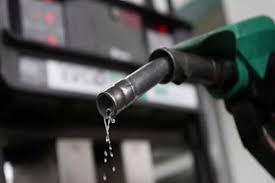
Fuel marketers in Nigeria are warning that the ongoing war between Iran and Israel could cause petrol and diesel prices to rise sharply, putting more pressure on Nigerians already struggling with high costs of living.
The marketers are asking President Bola Tinubu’s government to act fast to protect citizens from the possible effects of rising global oil prices. Although crude oil prices recently fell below $70 per barrel, they had previously jumped as high as $80 due to fears over the Middle East conflict. This rise in global oil prices is expected to push the pump price of petrol in Nigeria above ₦1,000 per litre if no action is taken.
The National Vice President of the Independent Petroleum Marketers Association of Nigeria (IPMAN), Hammed Fashola, said in an interview that the government must step in now to prevent fuel prices from becoming unaffordable. He stressed the importance of using the Dangote Refinery, which has a refining capacity of 650,000 barrels per day, to help meet local demand.
Fashola urged the government to supply crude oil to local refineries at a fixed, affordable price rather than tying it to international market rates. He believes this will allow refineries to sell petrol at cheaper rates locally and help Nigerians cope better.
“This is the time for the government to work closely with Dangote. If crude prices keep rising and nothing is done, many Nigerians won’t be able to afford fuel,” Fashola said.
He added that strengthening the “naira-for-crude” deal—where crude oil is sold to local refiners in exchange for naira instead of dollars—would help stabilize prices. Without this kind of deal, Fashola warned, the country could face worse inflation and deeper poverty due to energy costs.
Fashola also called on the Nigerian National Petroleum Company Limited (NNPCL) to increase crude production so there will be enough oil for both local use and export. He said the new board of the NNPCL should focus on reviving Nigeria’s refineries to boost supply and reduce the need for fuel imports.
“If we produce more crude oil, there won’t be shortages, and we’ll have enough for both local refining and exports. And if our refineries work, fuel supply will improve, prices will drop, and Nigerians will be better off,” he explained.
Marketers also complained about how they’ve had to keep adjusting fuel prices due to constant changes in depot and refinery costs. “Since January, we’ve been dealing with price volatility. We don’t have a choice but to keep adjusting,” Fashola said.
A source from the Dangote Refinery, who asked not to be named, confirmed that low crude oil supply was a major challenge. The official said the refinery is open to working with the government if it decides to boost the naira-for-crude initiative.
While rising global crude prices could help the government earn more money to fund the 2025 budget, experts warn this could bring hardship to ordinary Nigerians, especially if fuel becomes even more expensive.
Earlier this year, the Crude Oil Refinery Owners Association of Nigeria also asked the government to allow a special exchange rate for crude sold to local refineries, so they can keep fuel affordable for Nigerians.
In summary, as the Middle East conflict causes oil prices to fluctuate, fuel marketers are urging urgent action from the Tinubu government to protect Nigerians from another wave of high fuel prices and rising inflation.
#Fuel price #Iran-Israel war