Against the background of funding gaps in the fight against malaria which shows that since 2017, the progress has been flat particularly in African countries, experts have called for domestic resource mobilisation in order to sustain gains as well as make progress.
If this is not done, there are threats that the funding gap will widen. This is of concern considering several emerging threats including the impact of climate change, among others.
As Nigeria joins the global community to mark the World Malaria Day 2025 under the theme “Malaria Ends With Us: Reinvest, Reimagine, Reignite,” the call to action is urgent. Africa must lead the charge against malaria through renewed investment, bold innovation, and revitalised political will, according to experts.
Malaria remains one of the world’s most pressing public health threats. According to the World Health Organisation (WHO) there were an estimated 263 million malaria cases and 597,000 deaths globally in 2023—an increase of 11 million cases from the previous year.
The WHO African region bore the brunt, with 94 per cent of cases and 95 per cent of deaths. It is now estimated that a child under the age of five dies roughly every 90 seconds due to malaria.
However, there is hope that these terrible statistics can be reversed. To this end, the Director of Johns Hopkins Malaria Research Institute at the Johns Hopkins Bloomberg School of Public Health, Jane Carlton said apart from increasing funding, collaboration is key to winning the war against malaria.
Carlton disclosed this during the World Malaria Day 2025 expert briefing organised recently by the John Hopkins Bloomberg School of Public Health.
The event was held via zoom. During her presentation, Carlton said, “Together, we are committed to combating malaria through cutting-edge research collaborations with endemic country researchers, clinicians, health workers and leading science experts for a malaria-free world.
World Malaria Day is marked globally each year on April 25 is an occasion to highlight the need for continued investment and sustained political commitment for malaria prevention and control. It was instituted by WHO Member States during the World Health Assembly of 2007.
The Johns Hopkins Bloomberg School of Public Health briefing focused on efforts being put in place to control and prevent malaria around the world.
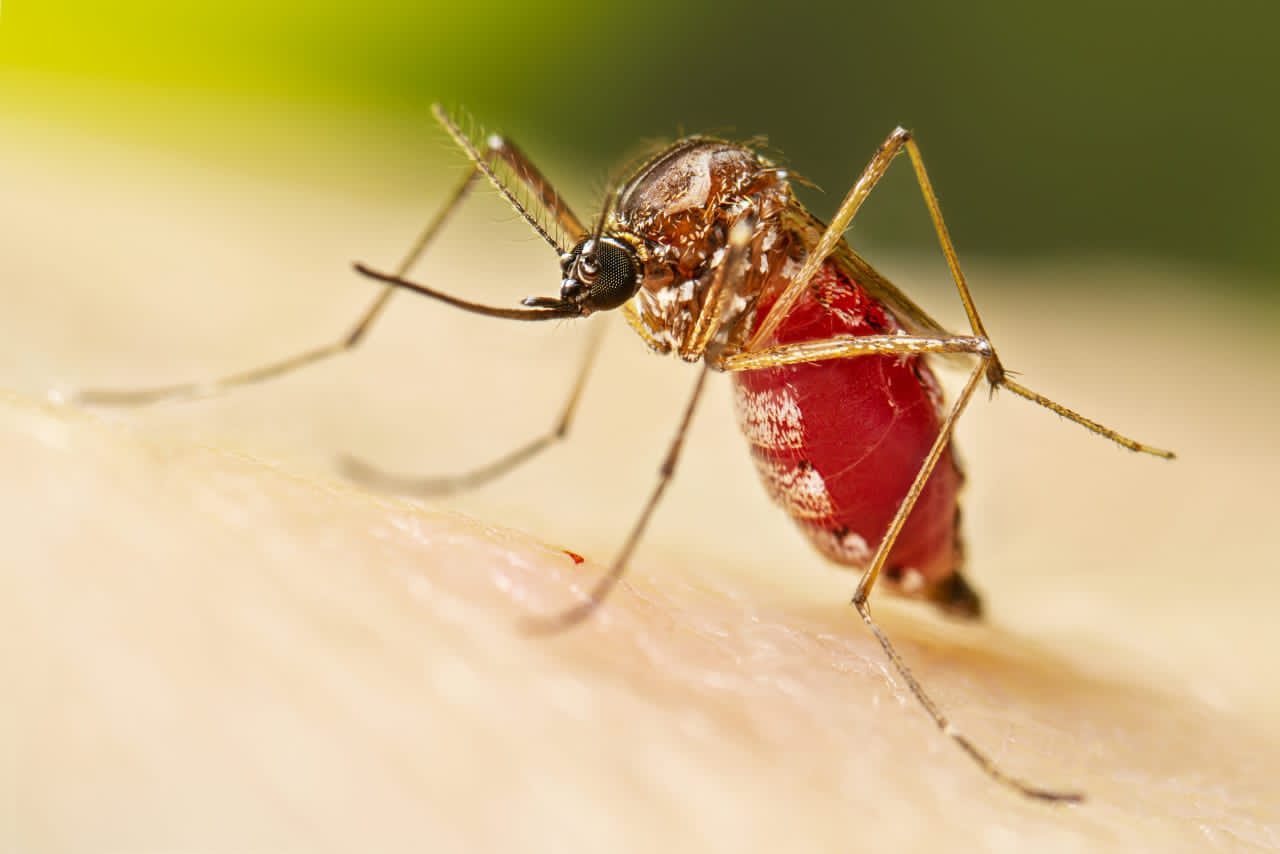
Malaria is a mosquito-borne disease that in 2023 took nearly 600,000 lives in 83 countries, the majority being children under the age of five in the WHO African Region.
“Malaria is very prevalent in developing countries, tropical and subtropical regions where resources are lacking in access to basic healthcare. Carlton reasoned: “So it’s not a question of what African countries are not doing right.
“It’s a question of developing countries having limited resources to fight the disease and poor healthcare infrastructure and the fact that the malaria parasite is a crafty species that mutates and evolves fast, developing resistance to almost every anti-malarial drug that we have developed against it.
Speaking further, she said and it has a very complex lifecycle as well. “World Malaria Day is a call to arms for the continued and sustained funding for malaria in two areas; funding for malaria control and elimination and funding for malaria treatment,” Carlton said.
She also talked about the rollout of the malaria vaccine around Africa and how they were trying to increase production within the continent. “And malaria elimination is possible and has occurred in 44 countries which are now malaria free.
Five countries just this past year that eliminated malaria are Belize, Egypt, Azerbaijan, Tajikistan, Cabo Verde. “Nigeria has the largest population of any African country, but the vaccine was introduced last year into the country. Many in the malaria community have hopes of achieving elimination in more countries.
“The WHO has established the AMVIRA (Accelerated Malaria Vaccine Introduction and Rollout in Africa) initiative, which aims to ensure that countries in the WHO African Region have the necessary resources and capabilities to effectively introduce and roll out malaria vaccines at national and subnational levels.
This initiative focuses on reducing malaria morbidity and mortality in Africa. This is specifically designed to support countries in introducing and scaling up malaria vaccines.