
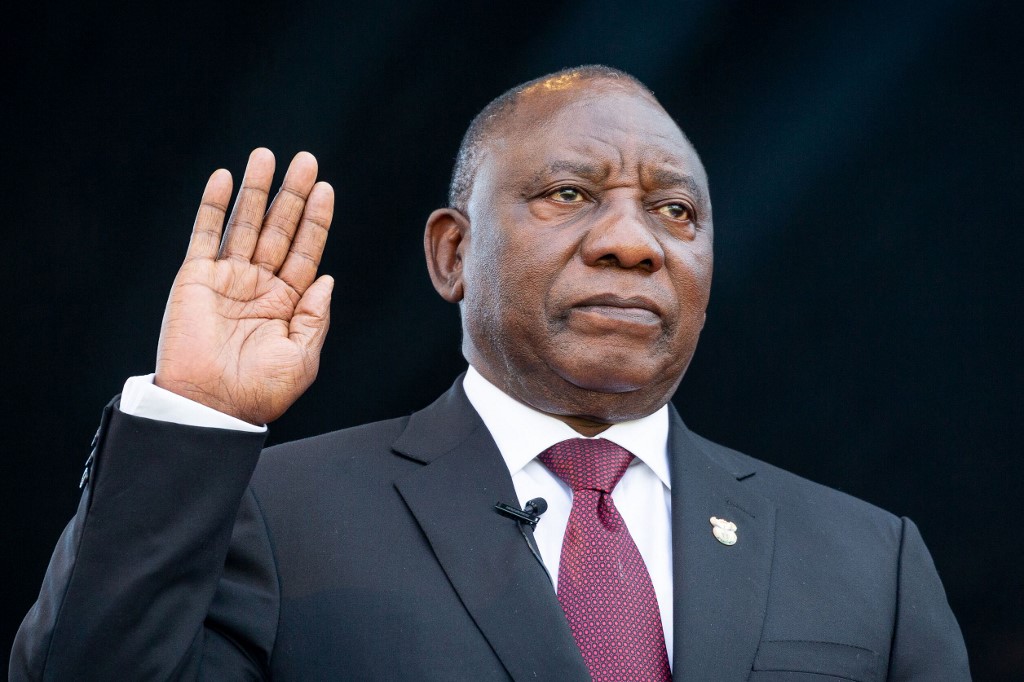
South Africa has taken on the presidency of the G20, marking a historic moment as the first African nation to lead the influential group of the world’s largest economies. The leadership handover occurred on Tuesday during the G20 summit in Rio de Janeiro, Brazil.
Brazilian President Luiz Inácio Lula da Silva officially passed the presidency to South African President Cyril Ramaphosa, who committed to prioritizing Africa’s development and advocating for the interests of the Global South during his tenure.
“We will use this moment to bring the development priorities of the African continent and the Global South more firmly onto the agenda of the G20,” Ramaphosa said.
Ramaphosa highlighted three key areas of focus for South Africa’s presidency: promoting inclusive economic growth, addressing food security, and leveraging artificial intelligence and innovation for sustainable development.
He pledged to work towards greater global economic growth while ensuring no one is left behind.
South Africa is currently the only African member in the G20, a bloc that represents the world’s largest economies.
However, the African Union joined the forum as a member in 2023, reflecting growing global recognition of Africa’s role in shaping international policy.
The G20 consists of 19 countries and the European Union, with permanent guest status granted to Spain.
Member nations include major economies such as the United States, China, Germany, and India.
As the first African country to lead the G20, South Africa aims to champion issues of industrialization, employment, and reducing inequality, along with driving discussions on critical global issues.
“As South Africa, we undertake to advance the work of the G20 towards achieving greater global economic growth and sustainable development. We will work to ensure that no one is left behind,” Ramaphosa concluded.